Accidentally deleted important files from your computer and emptied the Recycle Bin? Fret not, try Drecov software now and preview all lost files for free.
Free TrialFiles deleted from desktop, local disk, USB drive and SD cards without backup
Emptying The Recycle Bin Results In Loss Of Files
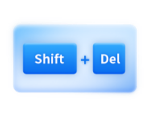
Accidentally pressing Shif+Del results in fast delete of files
Accidentally formatting the wrong drive or partition, or trying to perform disk cleanup
The disk is damaged due to power failure or other reasons and cannot read data.
All stored data are inaccessible once partitions are lost
Drecov software is a tool to recover data from hard drive partition loss.Try recovering lost data from formatted,corrupted and lost disk partitions now!
Free TrialIn conclusion, the "Angry Birds Go! Hack" is a microcosm of the modern digital struggle. It is the intersection of our desire for instant gratification and our resentment toward exploitative design. It reminds us that in the digital age, we are constantly racing—not just against green pigs, but against the very systems that define the rules of our play.
The Illusion of Velocity: A Philosophical Examination of the "Angry Birds Go! Hack" Angry Birds Go! Hack
Finally, we must consider the social dimension. Angry Birds Go! featured asynchronous multiplayer and leaderboards. In this space, the hack becomes a transgression against the community. To race with a hacked kart is to compete in a ghost race where the results are predetermined. It shatters the meritocracy of the leaderboard, replacing skill with a script. In conclusion, the "Angry Birds Go
The hacker looks at the colorful walls of Piggy Island and sees not a world of wonder, but a grid of variables. To hack the game is to gaze behind the curtain, transforming a whimsical race into a series of data points. It is a transition from being a "player" (one who follows rules) to a "user" (one who manipulates systems). The Final Lap: The Ethics of a Ghost Race It reminds us that in the digital age,
The hack, therefore, is a tool of liberation from this artificial scarcity. By bypassing the economy of the game, the player reclaims their time. However, this reclamation comes at a cost. When a player uses a "hack" to obtain infinite gems or maxed-out karts, they effectively delete the game’s narrative arc. The "deep" irony of the hack is that by removing the struggle, the player often removes the reason to play. Velocity without resistance is simply a slide into boredom. The Rebellion Against the Algorithm
There is a profound, almost punk-rock sentiment in the search for a "hack." It represents a refusal to be a passive consumer of a curated experience. In an era where games are designed by psychologists to maximize "retention" and "monetization," hacking is an act of digital sovereignty.
In the digital landscape of the mid-2010s, Angry Birds Go! stood as a vibrant pivot for the Rovio franchise—a transition from the strategic, static trajectory of slingshots to the kinetic, high-stakes world of downhill racing. Yet, shadowing its colorful tracks was a persistent subculture: the "hack." To write of an Angry Birds Go! hack is not merely to discuss code injection or save-file manipulation; it is to explore the friction between human impatience and the commodification of digital joy. The Architecture of Artificial Scarcity

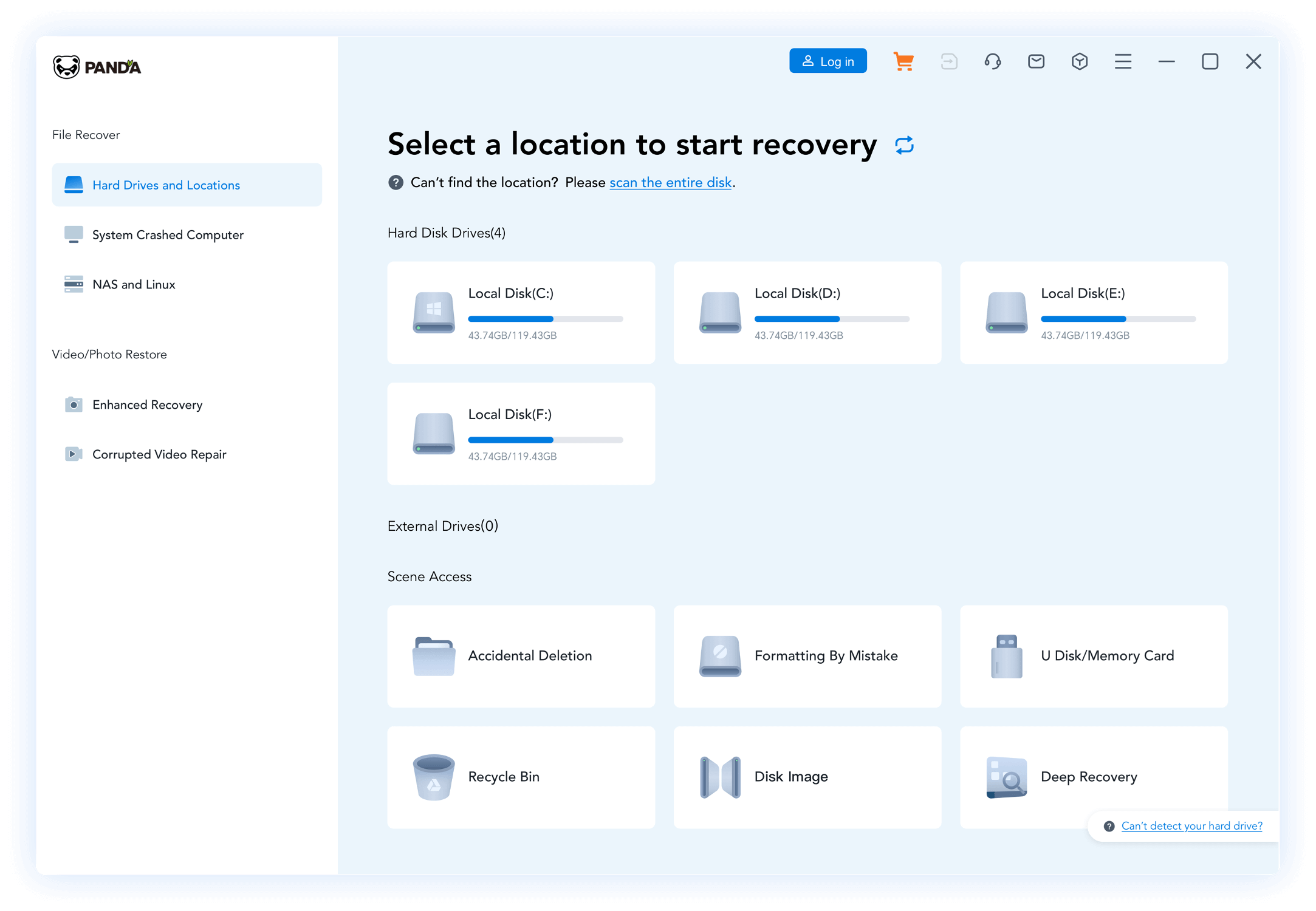
Run Drecov software, select the location of the lostfiles, and start scanning.
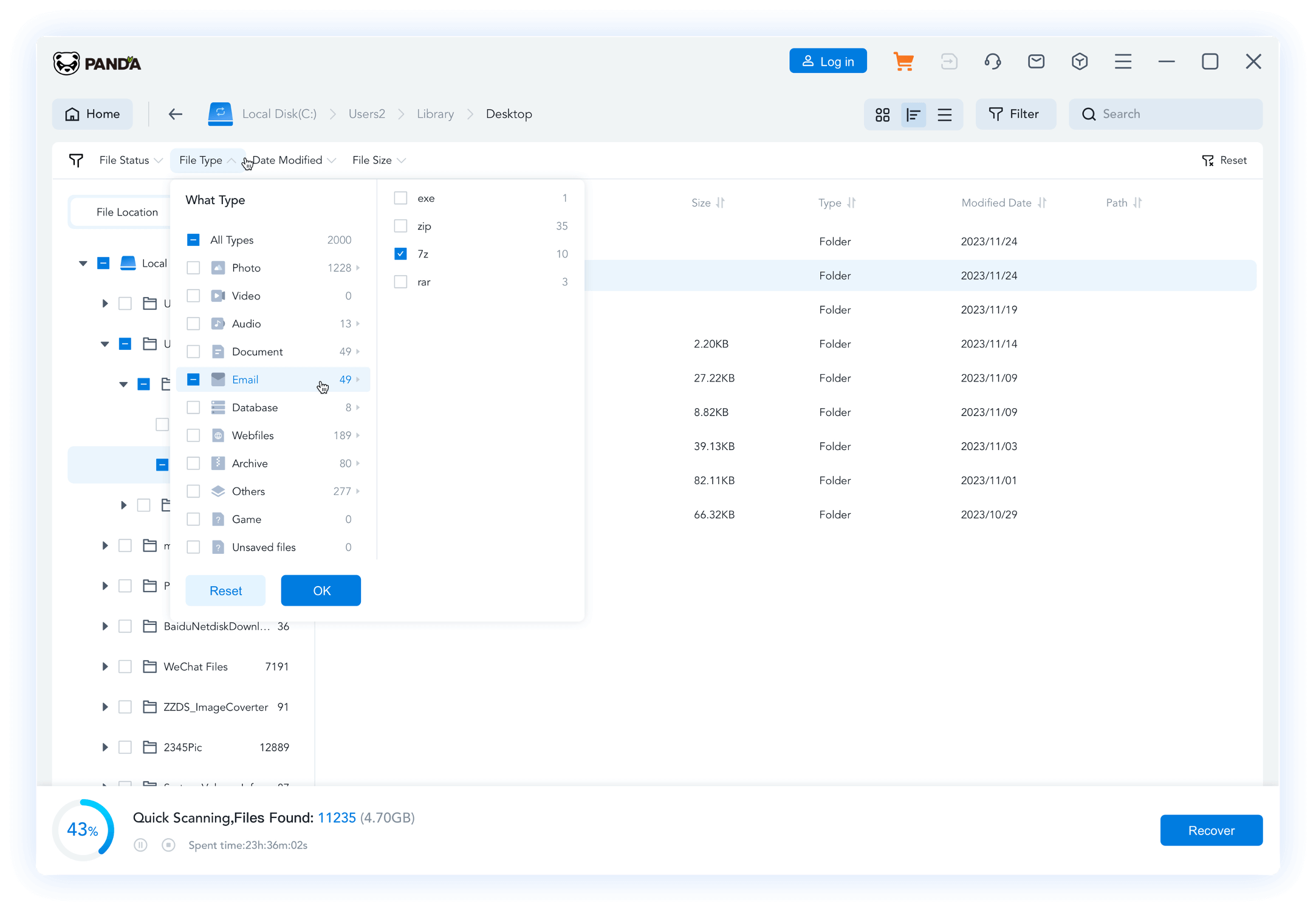
Preview lost files during scanning, search files by file type, and preview all recoverable data.
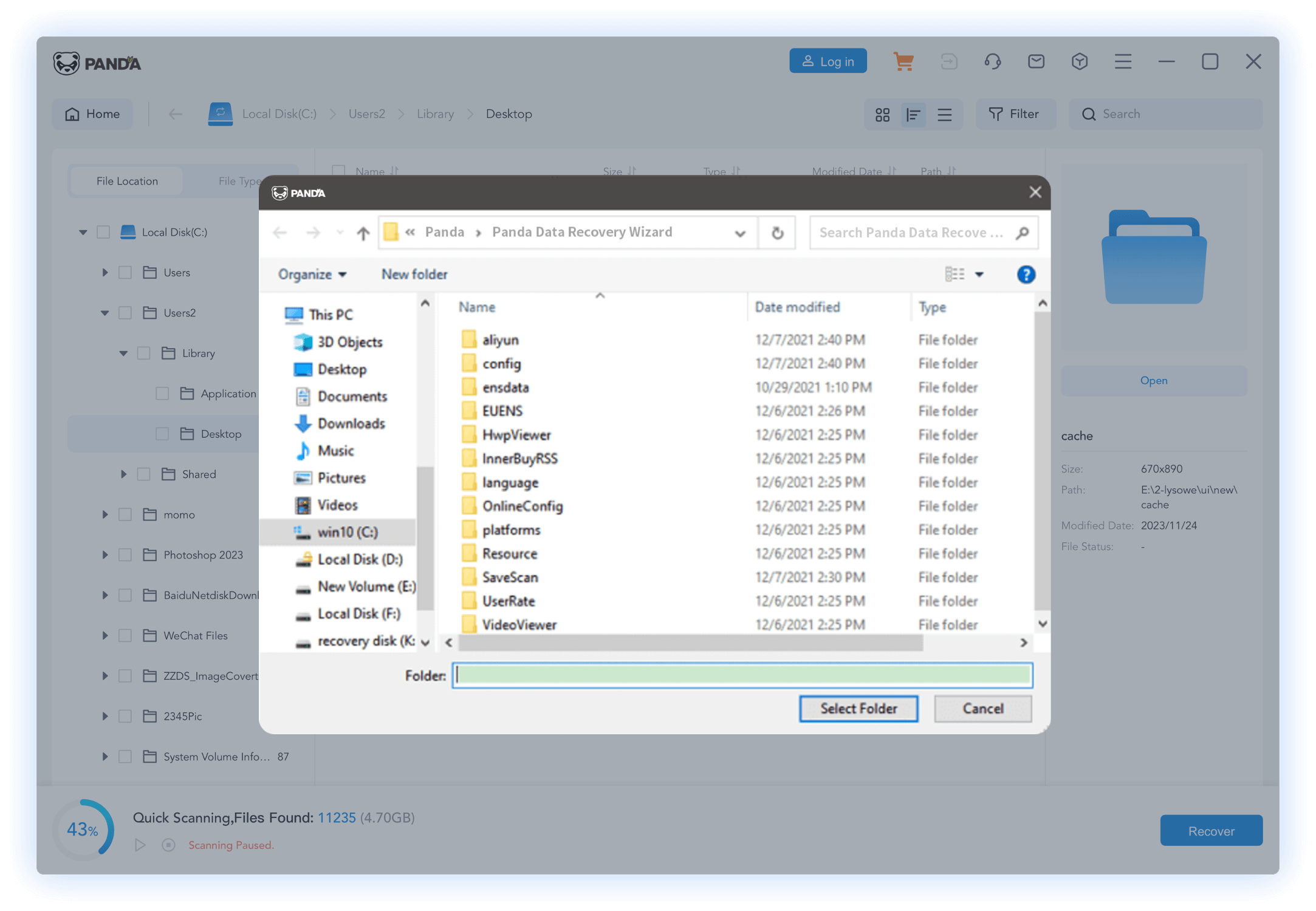
Select the lost files you wish to recover and click "Recover" to save the data to a new drive.
Data recovery apps cannot retrieve everything, but Drecov software has been proven in tests to recover lost and deleted files, including files that could not be found on other data recovery software.
Recover lost files, including images, videos, songs, files, emails, or archived files. Other functions include filters, preview options and deep scanning.
Drecov software is one of the most powerful file recovery programs we have used. It comes with advanced functions, an excellent user interface and fast deep scanning tools.
In conclusion, the "Angry Birds Go! Hack" is a microcosm of the modern digital struggle. It is the intersection of our desire for instant gratification and our resentment toward exploitative design. It reminds us that in the digital age, we are constantly racing—not just against green pigs, but against the very systems that define the rules of our play.
The Illusion of Velocity: A Philosophical Examination of the "Angry Birds Go! Hack"
Finally, we must consider the social dimension. Angry Birds Go! featured asynchronous multiplayer and leaderboards. In this space, the hack becomes a transgression against the community. To race with a hacked kart is to compete in a ghost race where the results are predetermined. It shatters the meritocracy of the leaderboard, replacing skill with a script.
The hacker looks at the colorful walls of Piggy Island and sees not a world of wonder, but a grid of variables. To hack the game is to gaze behind the curtain, transforming a whimsical race into a series of data points. It is a transition from being a "player" (one who follows rules) to a "user" (one who manipulates systems). The Final Lap: The Ethics of a Ghost Race
The hack, therefore, is a tool of liberation from this artificial scarcity. By bypassing the economy of the game, the player reclaims their time. However, this reclamation comes at a cost. When a player uses a "hack" to obtain infinite gems or maxed-out karts, they effectively delete the game’s narrative arc. The "deep" irony of the hack is that by removing the struggle, the player often removes the reason to play. Velocity without resistance is simply a slide into boredom. The Rebellion Against the Algorithm
There is a profound, almost punk-rock sentiment in the search for a "hack." It represents a refusal to be a passive consumer of a curated experience. In an era where games are designed by psychologists to maximize "retention" and "monetization," hacking is an act of digital sovereignty.
In the digital landscape of the mid-2010s, Angry Birds Go! stood as a vibrant pivot for the Rovio franchise—a transition from the strategic, static trajectory of slingshots to the kinetic, high-stakes world of downhill racing. Yet, shadowing its colorful tracks was a persistent subculture: the "hack." To write of an Angry Birds Go! hack is not merely to discuss code injection or save-file manipulation; it is to explore the friction between human impatience and the commodification of digital joy. The Architecture of Artificial Scarcity

PandaOffice Online Support
You may be interested in: