





 The Elder Scrolls IV: Oblivion
 The Elder Scrolls V: Skyrim
 The Elder Scrolls: Online
 Fallout: New Vegas
 Fallout 4
 Fallout 76
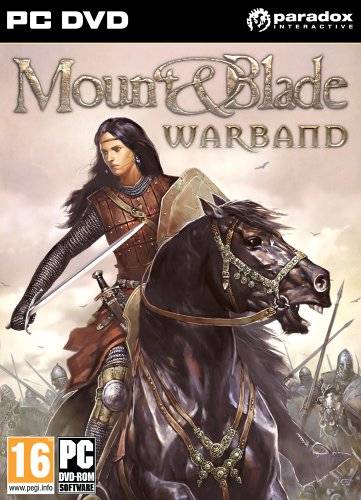 Mount & Blade: Warband
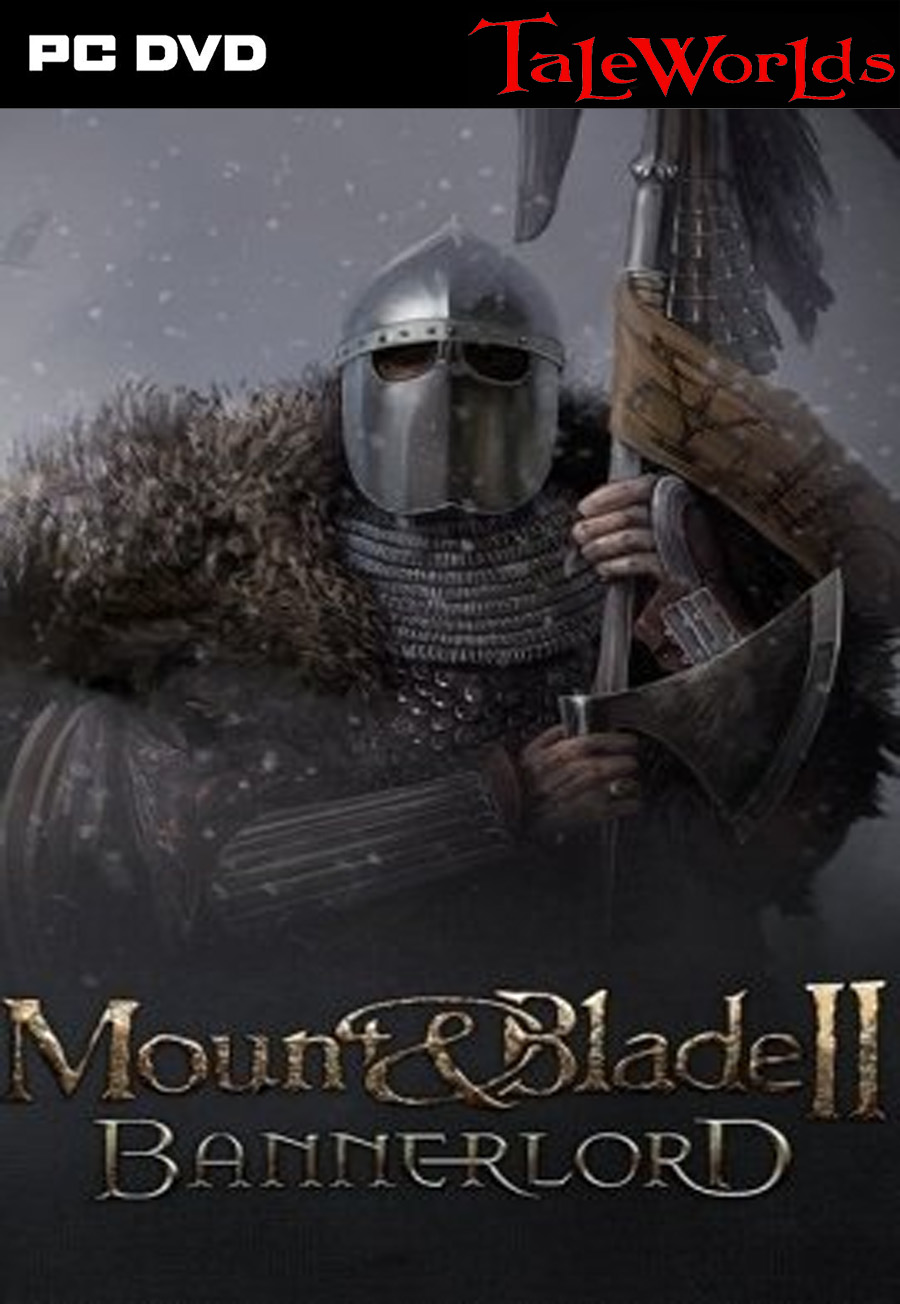 Mount & Blade II: Bannerlord
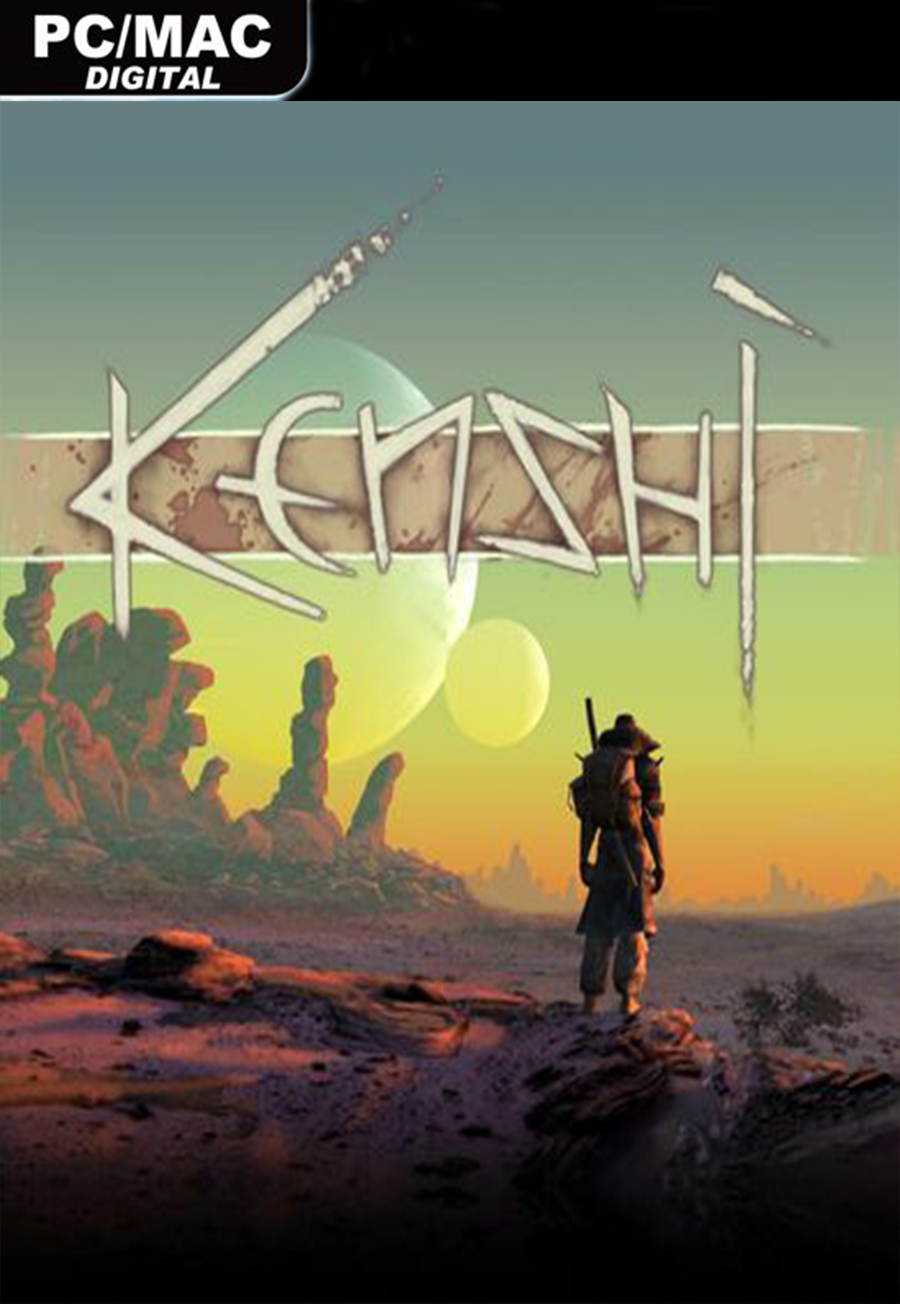 Kenshi
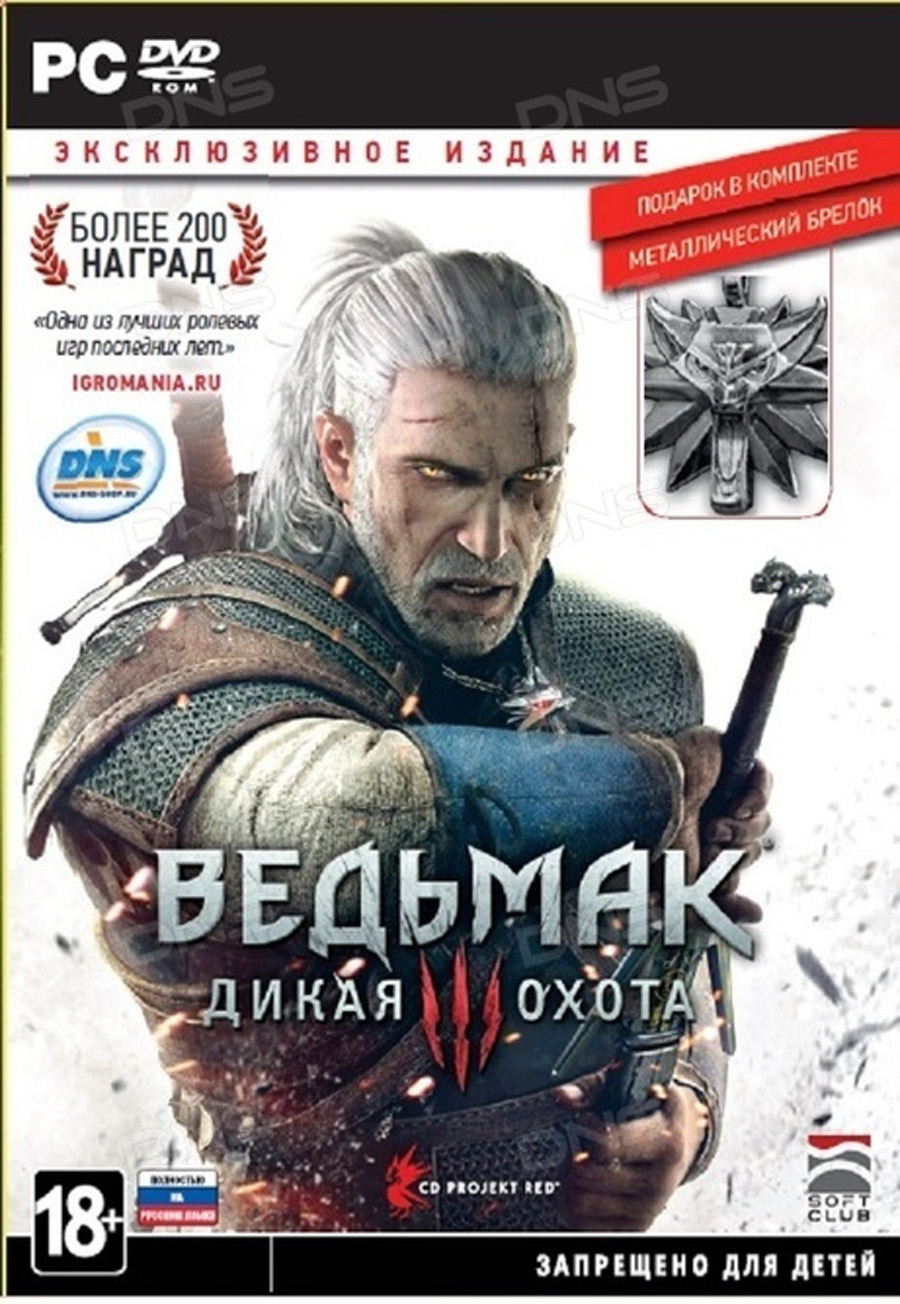 The Witcher 3: Wild Hunt
 Cyberpunk 2077
 Kingdom Come: Deliverance
 Minecraft
 Crusader Kings 2
 Crusader Kings 3
 Hearts of Iron IV
 Stellaris
 Cities: Skylines
 Cities: Skylines II
 Prison Architect
 RimWorld
 Euro Truck Simulator 2
 American Truck Simulator
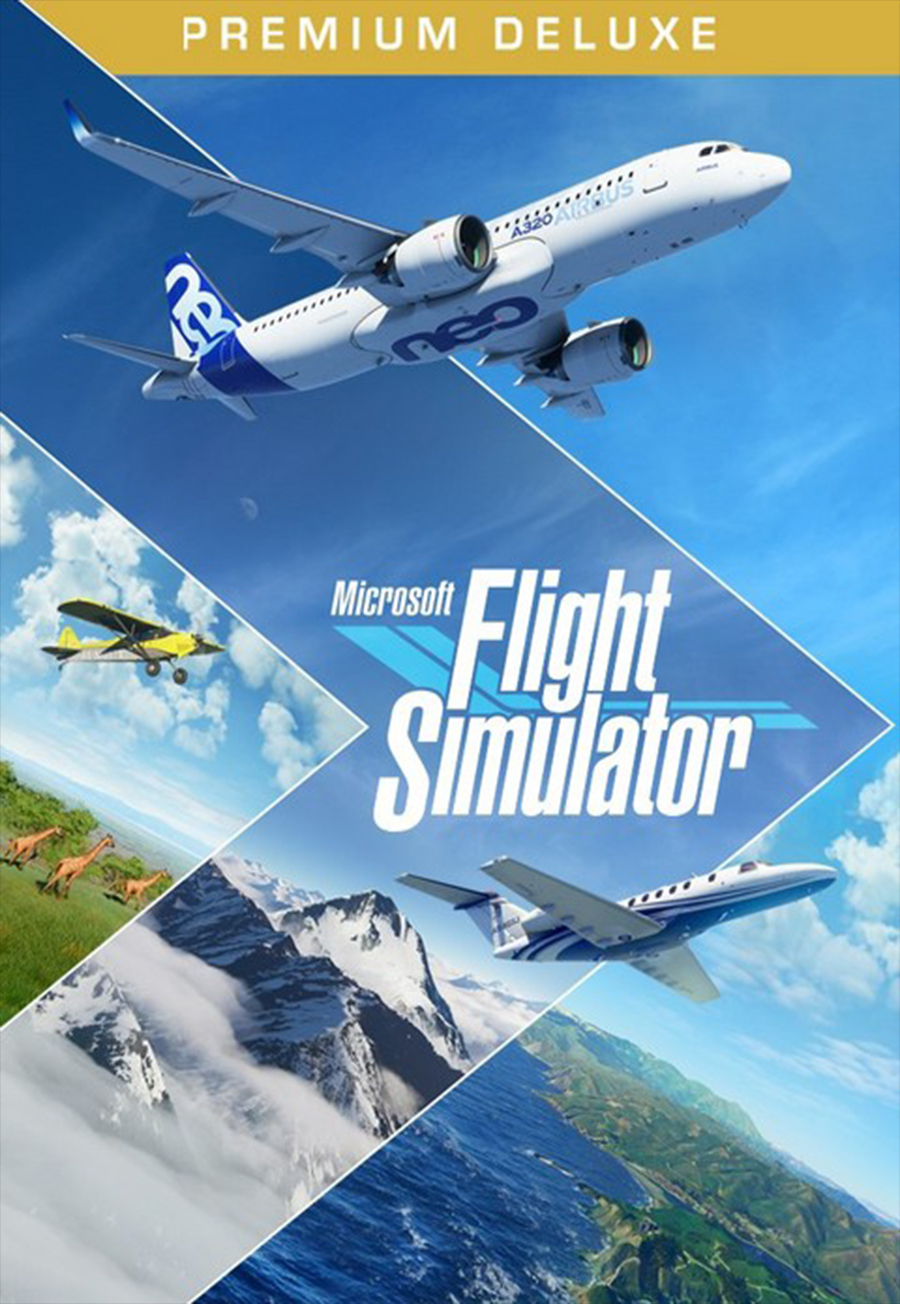 Microsoft Flight Simulator 2020
 Farming Simulator 17
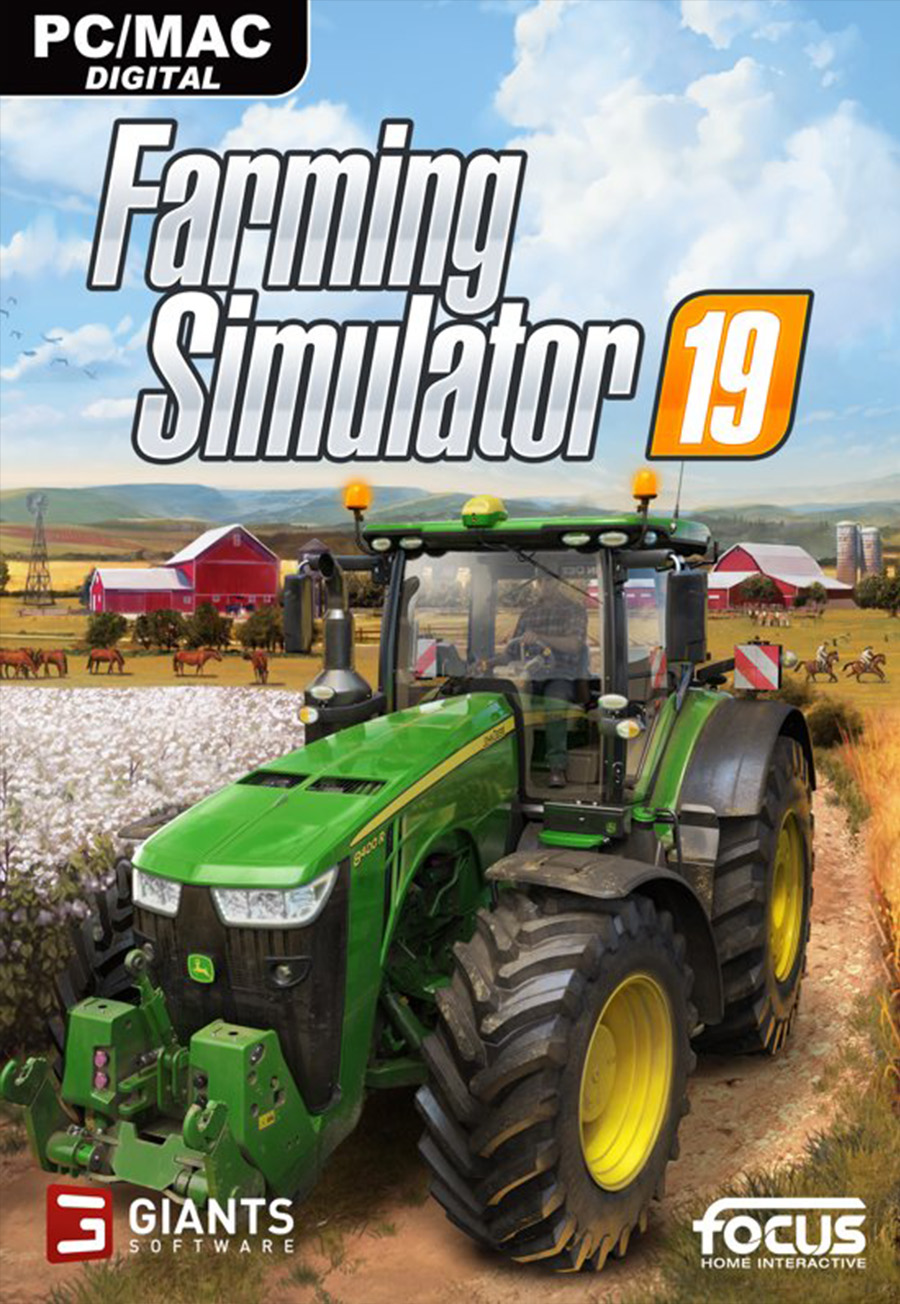 Farming Simulator 19
 Spintires и Spintires: MudRunner
 BeamNG.drive
 My Summer Car
 My Winter Car
 OMSI 2
 Grand Theft Auto: V
 Red Dead Redemption 2
 Mafia 2
 Stormworks: Build and Rescue
 Atomic Heart
 Hogwarts Legacy
Visually, the game remains a benchmark for the genre. Its hand-painted backgrounds bring the world of Aventuria to life with a melancholic beauty. The art style reinforces the themes of the story: ruins that feel lived-in and magic that feels dangerous rather than whimsical. This aesthetic choice ensures that the player feels the "weight" of the past that the characters are so desperately trying to uncover or preserve.
Released in 2013 by Daedalic Entertainment, Memoria is more than just a sequel to The Dark Eye: Chains of Satinav ; it is a masterclass in narrative structure. By weaving together two distinct timelines—the journey of the bird catcher Geron in the present and the ancient quest of Princess Sadja—the game explores the weight of legacy and the fragile nature of memory itself.
Memoria stands as a testament to the power of the point-and-click adventure. In an era often dominated by high-octane action, it asks players to slow down, solve intricate puzzles, and reflect on the stories we leave behind. Whether one is looking to download it for its challenging logic or its emotional depth, Memoria remains a vital piece of 2013's gaming history that continues to resonate with fans of deep, literary storytelling.
The brilliance of Memoria lies in its dual-protagonist system. Geron’s quest to save his companion, Nuri, feels intimate and urgent, while Princess Sadja’s story, set five centuries earlier, provides the epic scale of a mythic war. As players switch between characters, they begin to see how history is not a straight line, but a series of echoes. The "downloadable" experience of the game is essentially a journey into how one person's forgotten struggle becomes another person’s guiding legend.
The title Memoria is literal. The game challenges the player to consider what remains when a hero is forgotten. Princess Sadja’s primary motivation is to be remembered by history, yet the player knows from the start that her name has been lost to time. This creates a poignant tension: you are fighting for a victory that you know will eventually be erased, making the small, personal moments of triumph feel all the more significant.
While the phrase "" usually appears as a search term for players looking to find the classic point-and-click adventure, an essay on the subject can explore how the game serves as a pinnacle of modern interactive storytelling. The Art of the Interactive Fable: A Look at Memoria (2013)


