Fdm (Top 100 UPDATED)
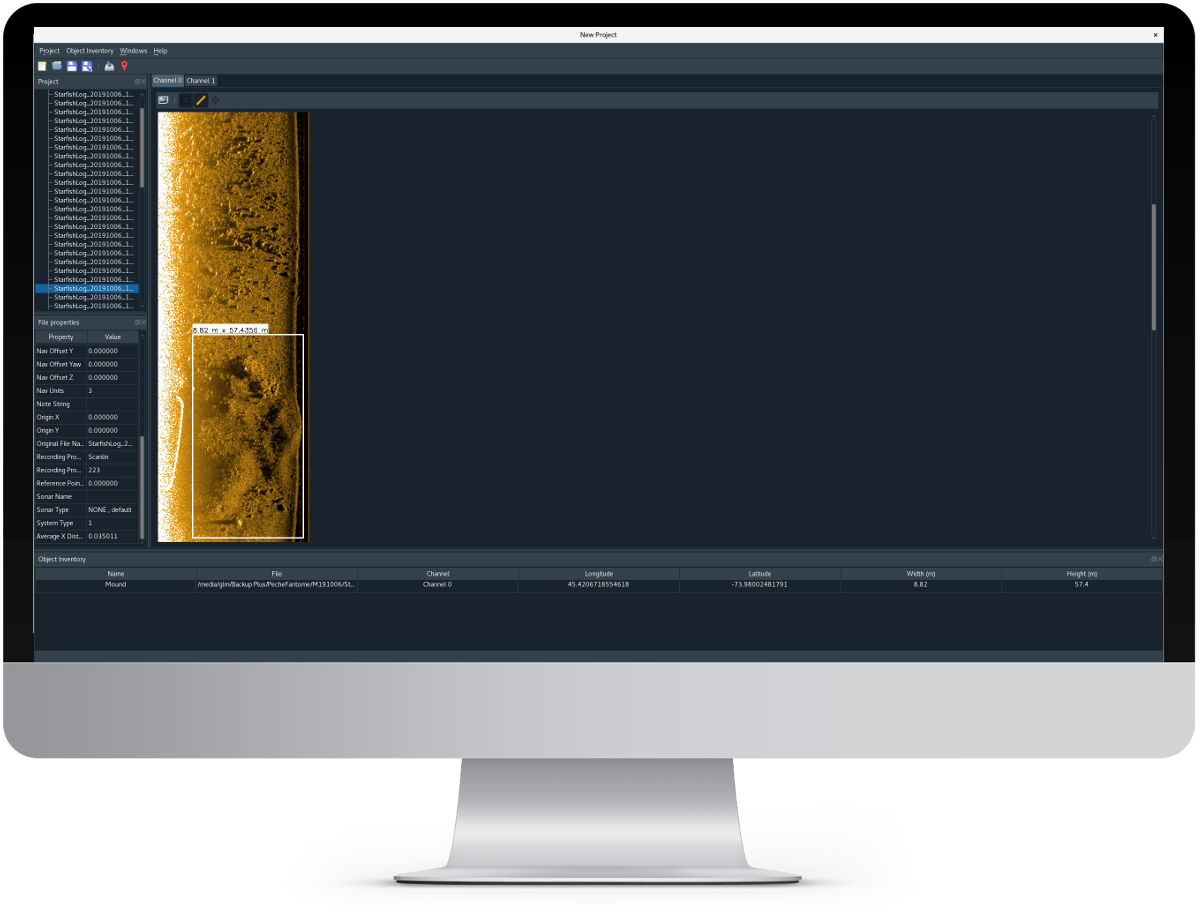
Open source sidescan sonar data processing software for underwater surveying, imaging and scientific applications.
Open source sidescan sonar data processing software for underwater surveying, imaging and scientific applications.
About
Open Sidescan is a powerful data processing software suite to easily view and manipulate sidescan sonar imagery files, investigate seabed features or underwater infrastructures, create underwater inventories, and much more. The core principle of FDM is additive, building
Accessible sidescan sonar data processing tools to bring down barriers to marine knowledge. The Principles and Process of FDM
Built with input from the entire community in the spirit of improving the state of the Art. Patented in 1989
The core principle of FDM is additive, building parts layer by layer rather than removing material as in subtractive methods like CNC machining. The process begins with a 3D CAD model, which is sliced into numerical instructions (G-code). Observations from China's FDM Print Farm Landscape
Fused Deposition Modeling (FDM): Revolutionizing Manufacturing from Desktop to Factory Floor Introduction
Fused Deposition Modeling (FDM), also widely known as Fused Filament Fabrication (FFF), is arguably the most recognizable and widespread additive manufacturing (AM) technology in use today. Patented in 1989, this extrusion-based technique has transitioned from a specialized prototyping tool into a versatile manufacturing technology employed in industries ranging from aerospace and automotive to medical devices. By melting and extruding thermoplastic filaments layer-by-layer, FDM offers a unique combination of accessibility, low material waste, and significant design flexibility. As the industry moves toward 2026, the technology has evolved from a tool for simple prototyping to a production method that is increasingly capable of producing functional, high-strength parts. The Principles and Process of FDM
Screenshots
Shipwreck of the Scotsman

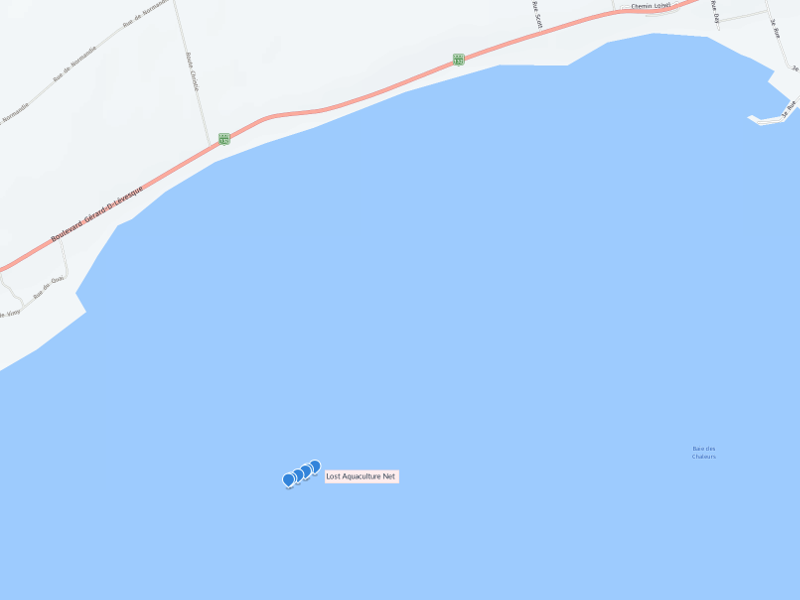
Abandoned aquaculture gear

KML map of abandoned gear
Boilers from the SS Germanicus

Bridge footing

Sunken rowboat

Price
The core principle of FDM is additive, building parts layer by layer rather than removing material as in subtractive methods like CNC machining. The process begins with a 3D CAD model, which is sliced into numerical instructions (G-code). Observations from China's FDM Print Farm Landscape
Fused Deposition Modeling (FDM): Revolutionizing Manufacturing from Desktop to Factory Floor Introduction
Fused Deposition Modeling (FDM), also widely known as Fused Filament Fabrication (FFF), is arguably the most recognizable and widespread additive manufacturing (AM) technology in use today. Patented in 1989, this extrusion-based technique has transitioned from a specialized prototyping tool into a versatile manufacturing technology employed in industries ranging from aerospace and automotive to medical devices. By melting and extruding thermoplastic filaments layer-by-layer, FDM offers a unique combination of accessibility, low material waste, and significant design flexibility. As the industry moves toward 2026, the technology has evolved from a tool for simple prototyping to a production method that is increasingly capable of producing functional, high-strength parts. The Principles and Process of FDM