











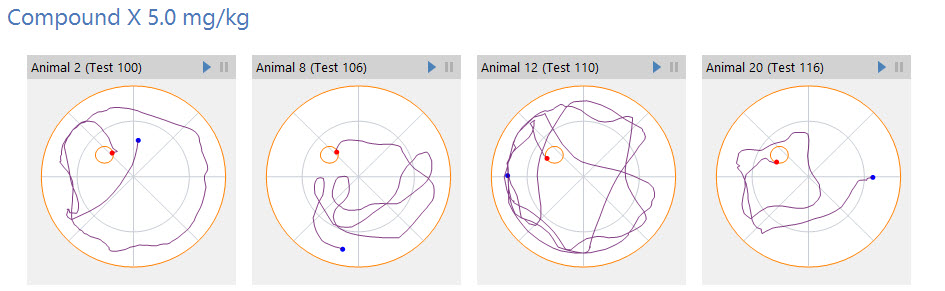
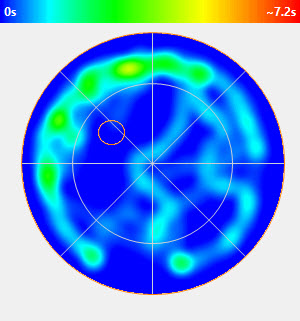
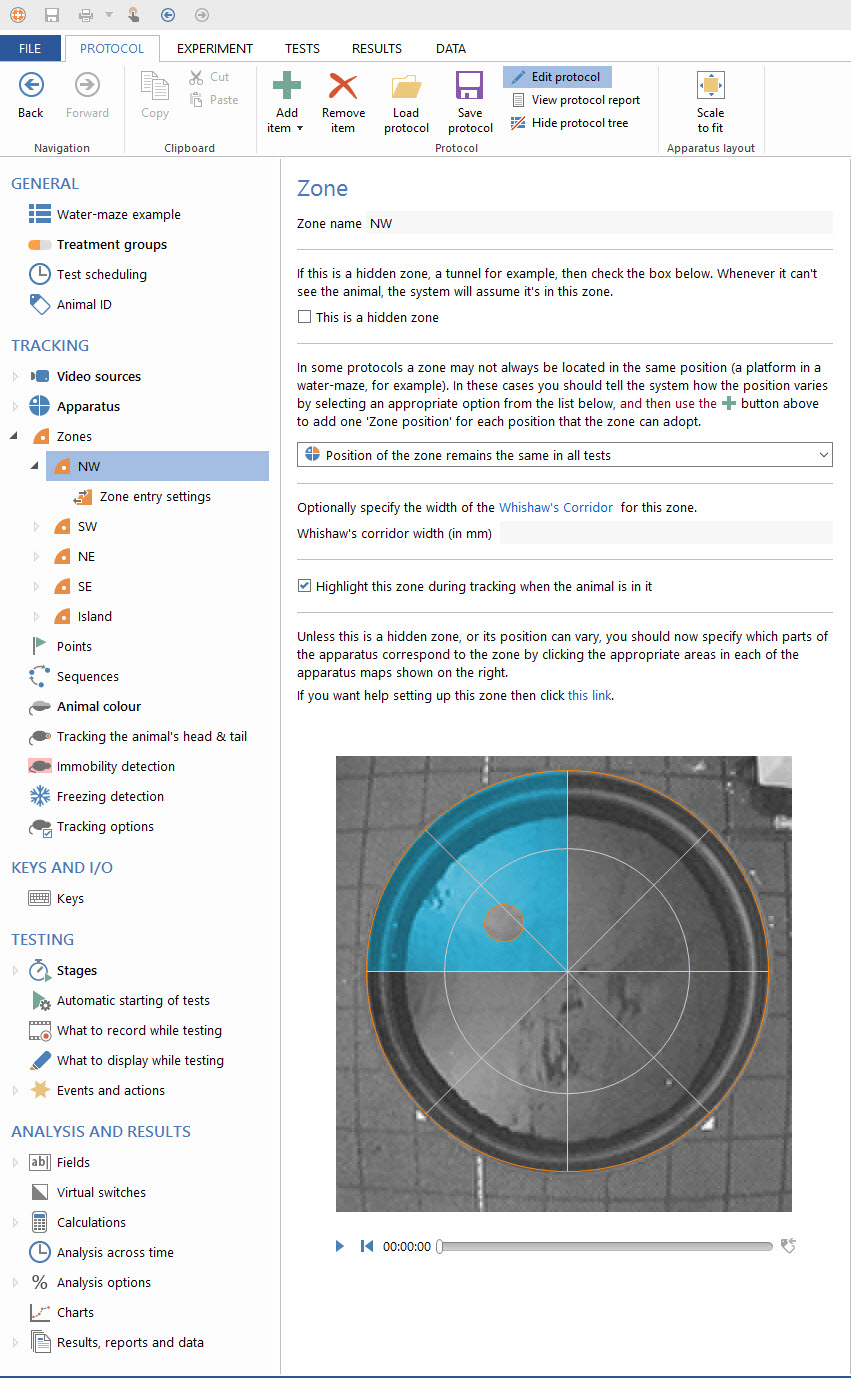
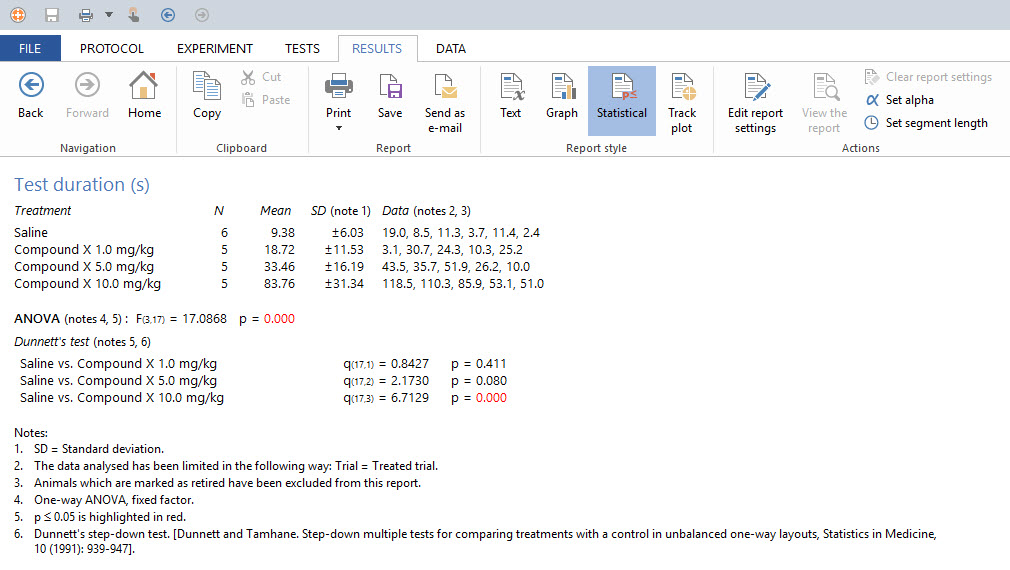
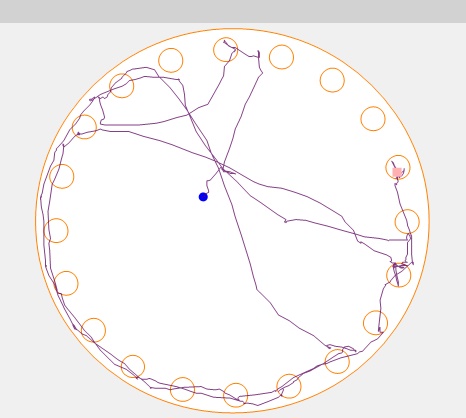
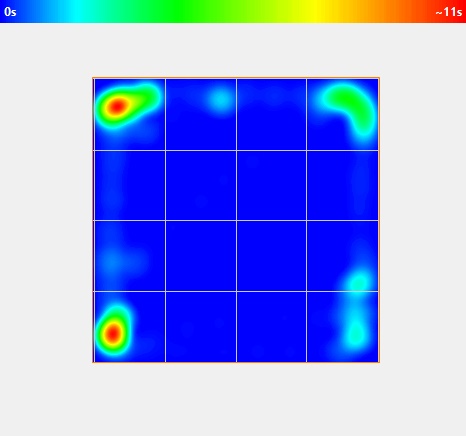
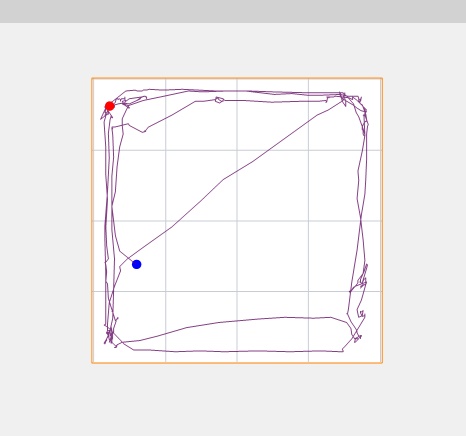
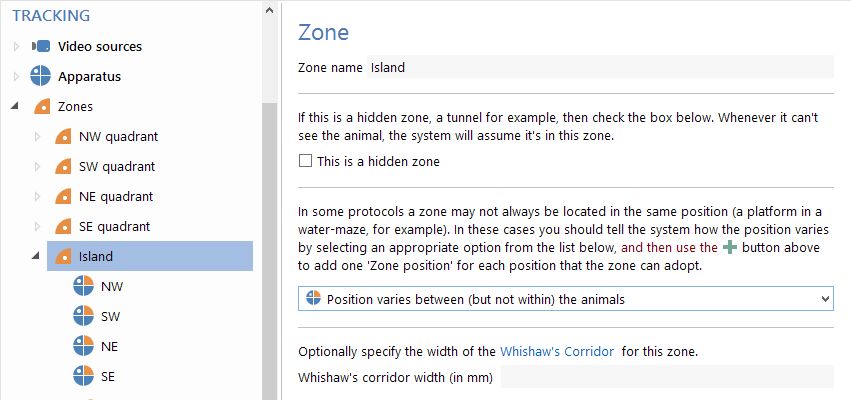
Automate your behavioral testing using the most versatile, easy to use video tracking system available.
SDI’s ANY-Maze is designed to test in ANY Maze, allowing you to choose whether to track the head, body, tail or the whole animal.
Flexible in every way, ANY-maze will set up quickly with a USB connection to any laptop or PC and tests automatically with virtually any camera. Ask us about our ANY-maze bundle for turn key set up.
The file appears to be a genomic resource package, likely containing a Homo sapiens
Many tools use reference files to isolate specific sequences. If you are using this file as an input, "producing a feature" often means extracting:
, genes, or exons from an annotated record. Consensus sequences from a set of alignments. File: Sapiens.v20.1.zip ...
If you are performing manual curation of a genome, you might use a script like aln2tbl.py to ( .tbl file). This file summarizes the biological properties (like gene names and start/stop positions) of your sequence for submission to databases like GenBank. 3. Feature Mapping in Single-Cell Analysis
using tools like the UCSC Table Browser , which allows you to filter and download data to produce a feature list (e.g., a list of all genes in a specific region). 2. Creating a Feature Table The file appears to be a genomic resource
hECA v2.0: an AI-ready ensemble cell atlas of single- ... - PMC
reference genome or cell atlas data (such as the hECA v2.0 ). If you are performing manual curation of a
In the context of processing such files in bioinformatics pipelines like or via command-line scripts, "producing a feature" generally refers to one of the following operations: 1. Extracting Genomic Features
 Back to All products