Accidentally deleted important files from your computer and emptied the Recycle Bin? Fret not, try Drecov software now and preview all lost files for free.
Free TrialFiles deleted from desktop, local disk, USB drive and SD cards without backup
Emptying The Recycle Bin Results In Loss Of Files
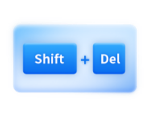
Accidentally pressing Shif+Del results in fast delete of files
Accidentally formatting the wrong drive or partition, or trying to perform disk cleanup
The disk is damaged due to power failure or other reasons and cannot read data.
All stored data are inaccessible once partitions are lost
Drecov software is a tool to recover data from hard drive partition loss.Try recovering lost data from formatted,corrupted and lost disk partitions now!
Free TrialThe simplicity of "Time"—which follows a repetitive chord progression of —has made it a powerful tool for musical therapy. In one moving instance, a player shared that they had lost the ability to play after suffering a stroke at age 38. After two and a half years of silence, they found a "simple cut back" tutorial of "Time" and spent two hours relearning it, finding "joy and hope" that they could eventually return to the instrument. Why it Works for Tutorials
Creators often pair their covers with dramatic visuals, such as snowy landscapes or cinematic lighting, to match the "epic" feel of the original Inception score.
While there isn't one single "official" story for every tutorial or cover of Hans Zimmer’s "Time," the song's journey from a film score to a viral piano staple is defined by a few standout stories of perseverance and personal healing. The Battle for Approval
One of the most notable stories behind a popular piano tutorial comes from artist . She spent months in a grueling process to secure a print license for her specific arrangement. After facing multiple denials from publishers who viewed her work as "competition," her request was eventually escalated to Hans Zimmer himself, who personally approved it. Thomas released her tutorial during the COVID-19 pandemic as a way to give people something meaningful to do while staying at home. A Tool for Recovery
Many tutorials focus on the "80/20 rule," where players spend 80% of their practice on the most impactful 20% of the music—in this case, the hypnotic, building four-chord loop.

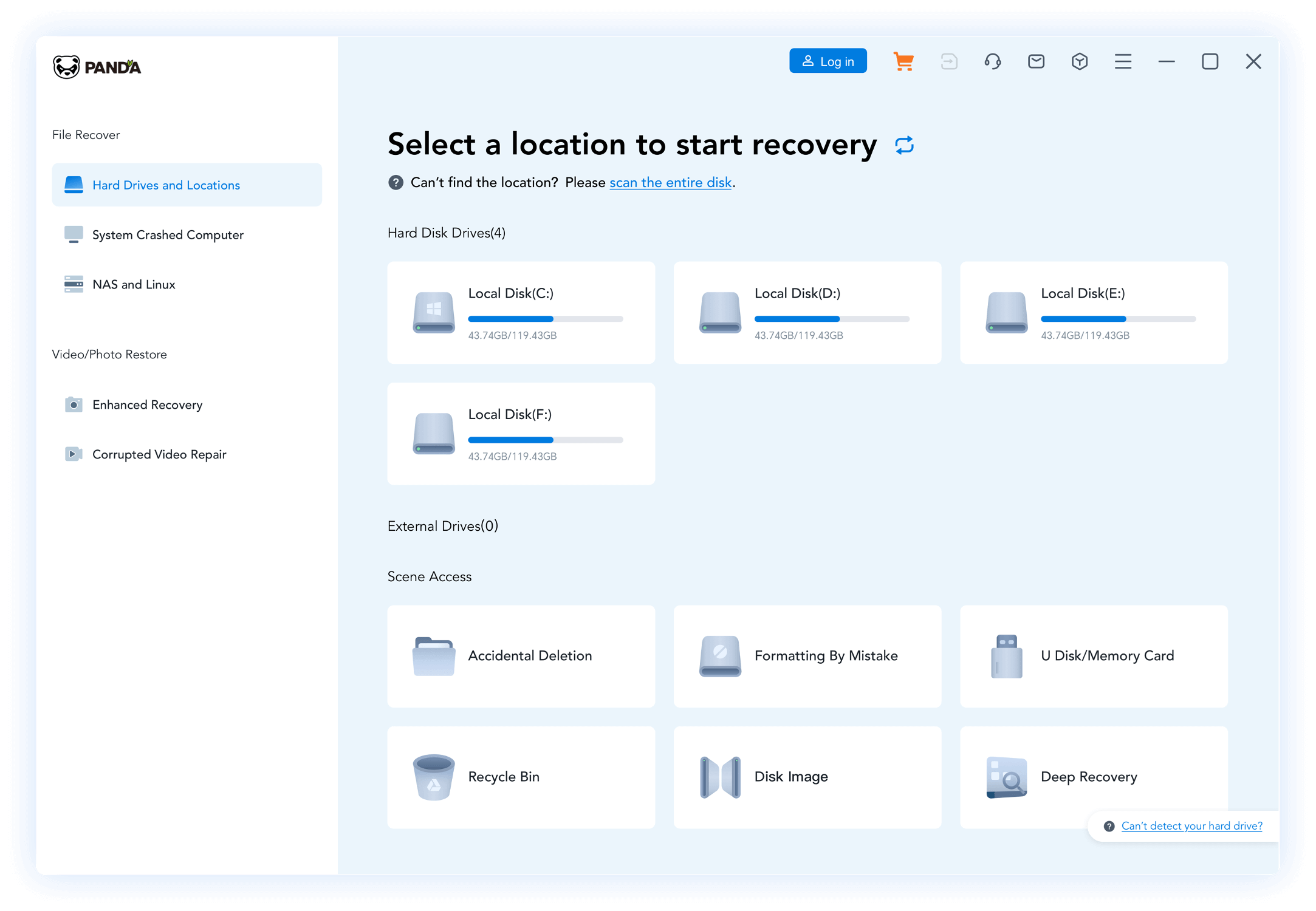
Run Drecov software, select the location of the lostfiles, and start scanning.
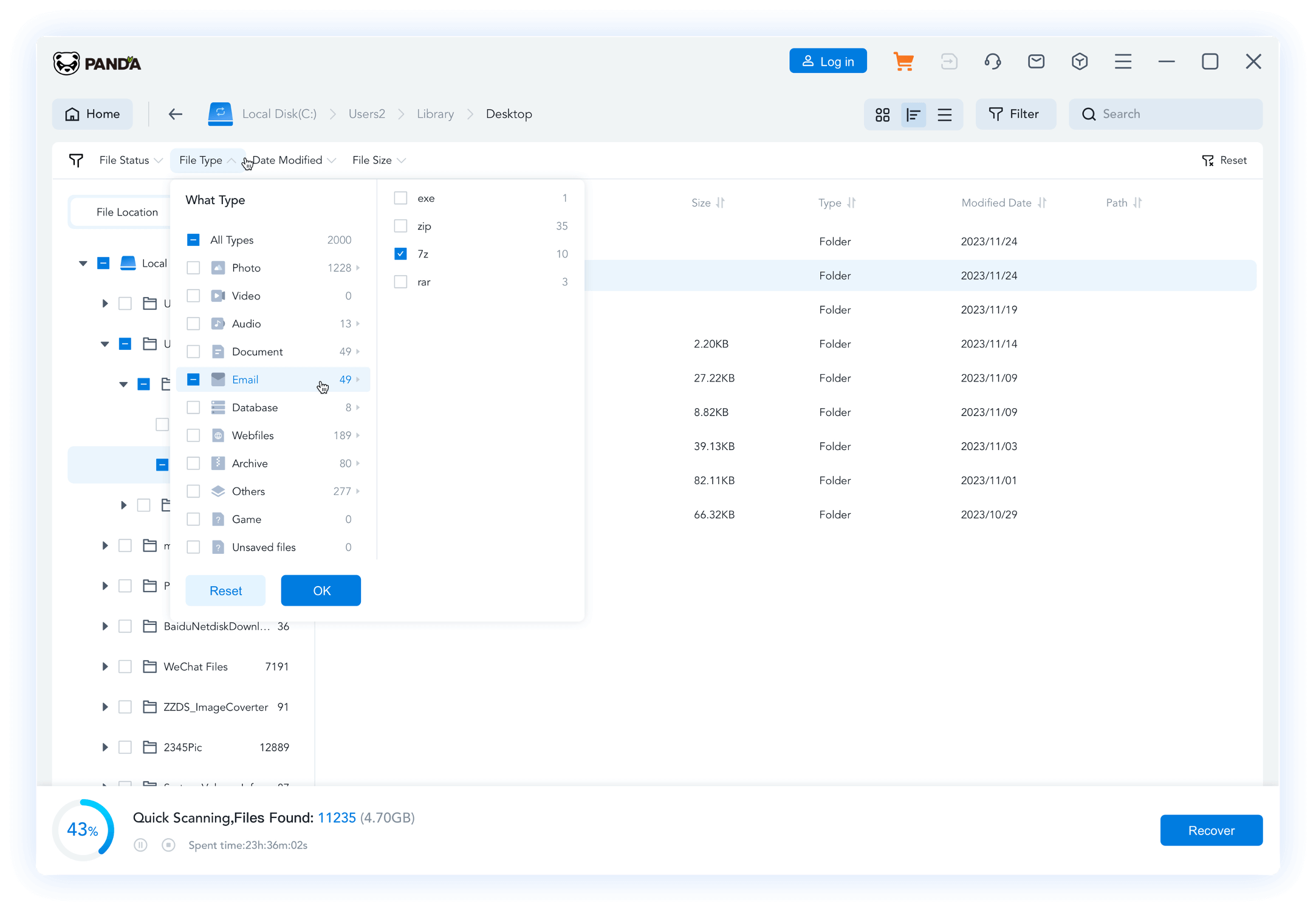
Preview lost files during scanning, search files by file type, and preview all recoverable data.
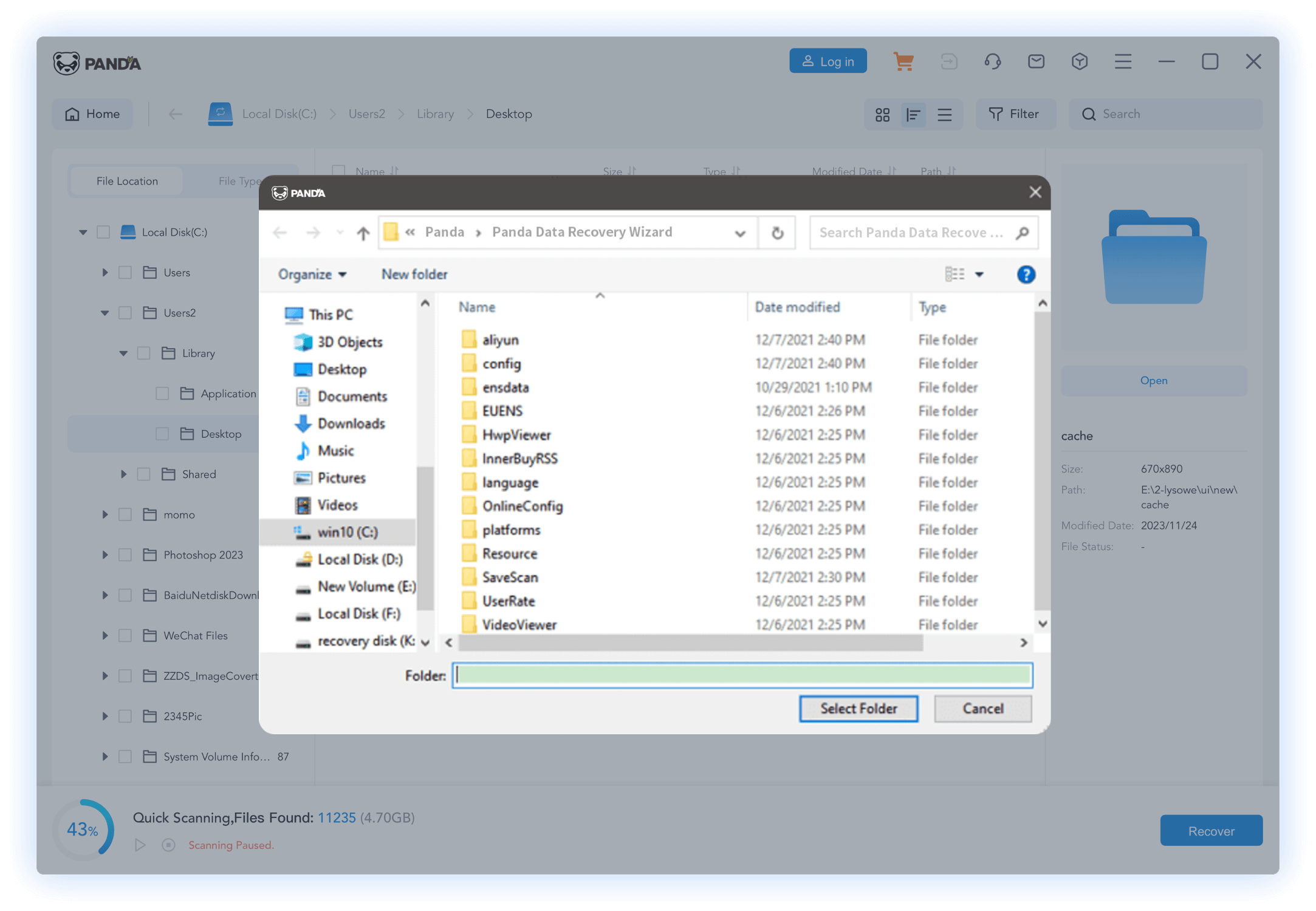
Select the lost files you wish to recover and click "Recover" to save the data to a new drive.
Data recovery apps cannot retrieve everything, but Drecov software has been proven in tests to recover lost and deleted files, including files that could not be found on other data recovery software.
Recover lost files, including images, videos, songs, files, emails, or archived files. Other functions include filters, preview options and deep scanning.
Drecov software is one of the most powerful file recovery programs we have used. It comes with advanced functions, an excellent user interface and fast deep scanning tools.
The simplicity of "Time"—which follows a repetitive chord progression of —has made it a powerful tool for musical therapy. In one moving instance, a player shared that they had lost the ability to play after suffering a stroke at age 38. After two and a half years of silence, they found a "simple cut back" tutorial of "Time" and spent two hours relearning it, finding "joy and hope" that they could eventually return to the instrument. Why it Works for Tutorials
Creators often pair their covers with dramatic visuals, such as snowy landscapes or cinematic lighting, to match the "epic" feel of the original Inception score.
While there isn't one single "official" story for every tutorial or cover of Hans Zimmer’s "Time," the song's journey from a film score to a viral piano staple is defined by a few standout stories of perseverance and personal healing. The Battle for Approval
One of the most notable stories behind a popular piano tutorial comes from artist . She spent months in a grueling process to secure a print license for her specific arrangement. After facing multiple denials from publishers who viewed her work as "competition," her request was eventually escalated to Hans Zimmer himself, who personally approved it. Thomas released her tutorial during the COVID-19 pandemic as a way to give people something meaningful to do while staying at home. A Tool for Recovery
Many tutorials focus on the "80/20 rule," where players spend 80% of their practice on the most impactful 20% of the music—in this case, the hypnotic, building four-chord loop.

PandaOffice Online Support
You may be interested in: