




Coming soon with the next update!




Coming soon with the next update!
: Frequent use of short-form content can trigger dopaminergic pathways, leading to a "reward loop" that may reduce attention control over time. The "culture of comparison" often leads to digital stress, body image concerns, and lower self-esteem when teens compare their lives to idealized online versions.
: In a pendulum swing against constant connectivity, there is a growing trend toward "unplugging," driving interest in experiential, phone-free activities like music festivals and outdoor events. Teens' Experiences on TikTok, Instagram and Snapchat
: Remains vital for visual self-expression, Reels, and "close-friend" culture, though it faces heavy competition from TikTok for celebrity tracking. whole teens xxx
: Boasts the highest reach among teens at 94.1%, serving as a hub for both short-form "Shorts" and in-depth long-form entertainment like tutorials and lifestyle documentaries.
: High screen time is linked to a reduction in "social self-efficacy," as teens may miss out on learning crucial nonverbal cues and face-to-face social skills. : Frequent use of short-form content can trigger
: Teens are moving away from heavily curated perfection (romanticism) in favor of unfiltered stories and behind-the-scenes moments that feel real and relatable.
: Content is increasingly structured for searchability and immediate purchase. Social commerce has become a normalized behavior, with many teens using app-hopping for shopping. Teens' Experiences on TikTok, Instagram and Snapchat :
: Individual creators are expanding beyond brand deals to launch their own consumer product brands (CPGs), such as Logan Paul's Prime or Emma Chamberlain's Chamberlain Coffee .
























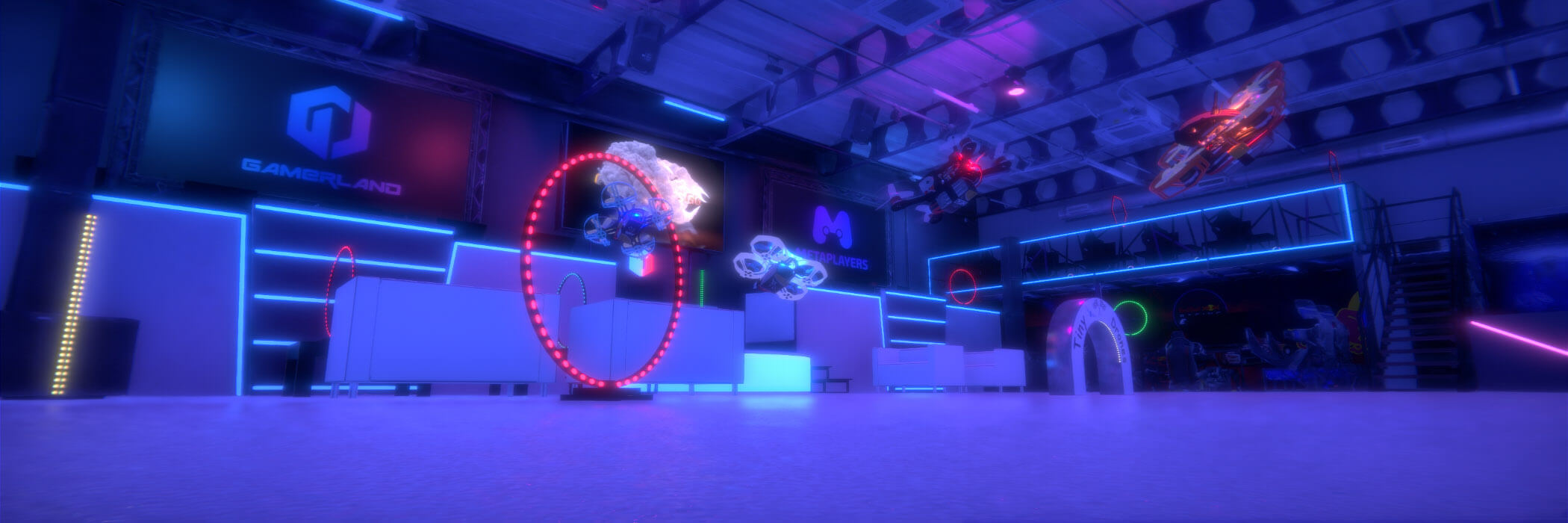
 Gamerland Map Introduction
 Stephen Mine Map Introduction
 Moonlight props in RDS
 Flying Through Maps
 Alpha version overview